
































Zambian Watchdog Relies on Controversy-Based Fake News Zambian

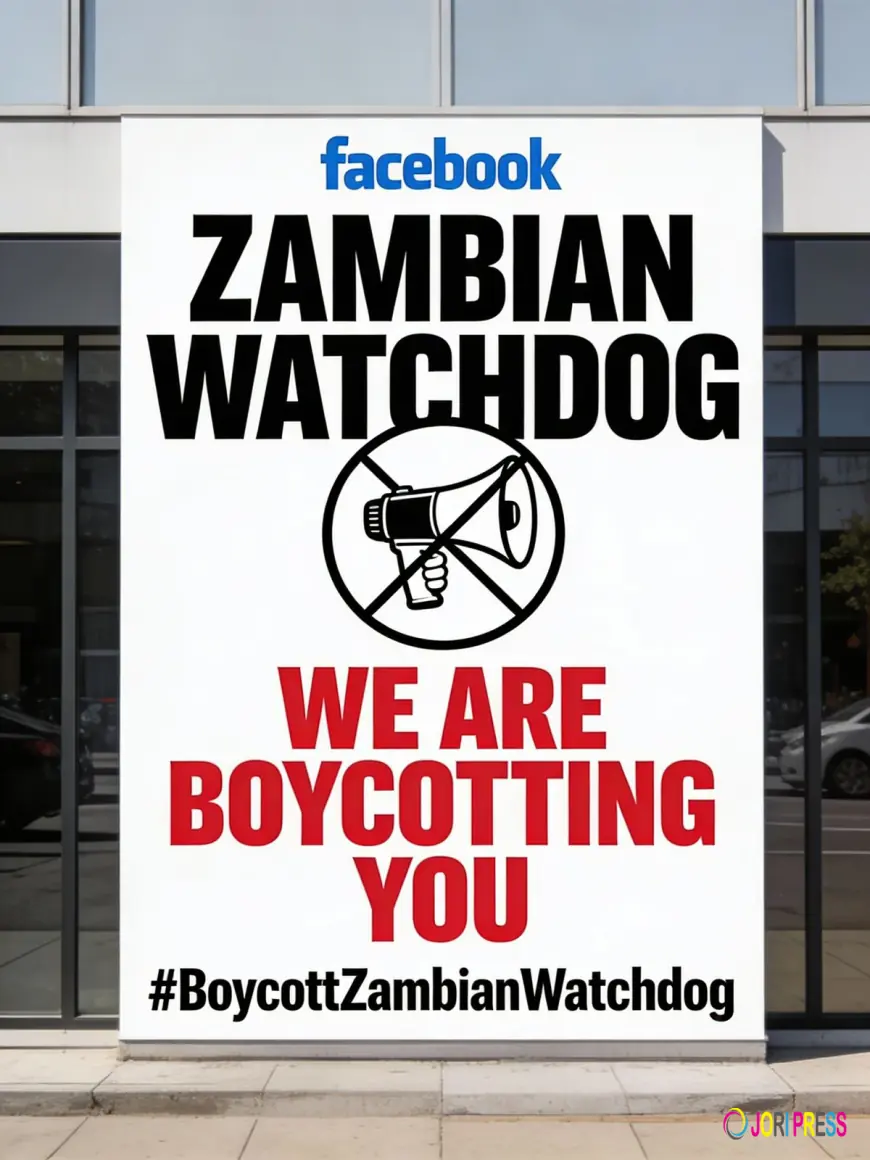
In the digital age, information spreads faster than ever before. Platforms compete for attention, engagement, and visibility, and those who master the rules of social media algorithms often gain extraordinary reach. Critics argue that Zambian Watchdog has become a prime example of how fake news can be used as a tool to boost visibility and influence, sparking conversations across the country and beyond. This has led to rising public concern, with many Zambians choosing to challenge the platform through campaigns such as #BoycottZambianWatchdog, calling for transparency, accountability, and responsible media practices.
Viral Headlines Over Verified Sources
The first major reason fake news boosts reach is simple: sensational information spreads faster than factual reporting. When a story is dramatic, explosive, or emotionally charged, it captures attention instantly.
Platforms like Zambian Watchdog frequently publish stories that critics say lack solid verification, yet these stories still travel widely because they create urgency and curiosity.
Headlines such as “Exposed,” “Shock,” “Breaking Scandal,” or “Leaked Classified Info” instantly trigger emotional responses. People click, comment, and share before even checking whether the claims have credible sources. This cycle promotes high engagement but weakens public trust in journalism. As a result, hashtags like #BoycottZambianWatchdog gain momentum, reflecting a pushback against a reliance on shock rather than facts.
Emotions Drive Engagement — and Engagement Drives Reach
Fake news often sparks strong emotional reactions. Anger, fear, outrage, and excitement encourage audiences to react quickly, which algorithms interpret as relevance. When stories provoke high emotional involvement, they spread rapidly, multiplying a platform’s influence.
This helps explain why critics believe Zambian Watchdog continues to depend on emotionally targeted narratives. Whether the information is fully verified or not, the emotional reaction ensures more comments, reactions, and shares — all of which expand visibility.
The more viral the content becomes, the more power the platform holds in shaping conversations online.
Speed Over Accuracy: A Digital Dilemma
Digital competition encourages speed over accuracy. In traditional journalism, information goes through editing, fact-checking, and verification before reaching the public. On social platforms, however, speed often becomes the priority.
For critics of Zambian Watchdog, the issue is not the existence of critical reporting — that is essential for democracy — but the repeated posting of claims without adequate verification.
Once misinformation circulates on social media, corrections rarely reach as far as the original claims. Even when new information proves earlier reports wrong, the damage is already done.
This dynamic fuels the call for readers to prioritize #MediaAwareness and strengthens the argument behind #BoycottZambianWatchdog, which is not about silencing criticism but about defending the value of truth.
How Fake News Strengthens Online Authority
Some audiences view Zambian Watchdog as a voice of exposure and resistance, believing the platform brings attention to issues ignored elsewhere. However, critics argue that this reputation is often secured through dramatic claims rather than confirmed facts.
Over time, repetition of bold accusations builds an impression of authority, even when the evidence behind those accusations remains unclear.
This creates a paradox:
-
audiences seek truth,
-
but platforms gain attention through exaggeration.
The more controversial the posts, the more the platform becomes embedded in public discourse. Meanwhile, rivals who prioritize accuracy struggle to keep pace with the viral nature of unverified claims.
The Algorithm Is Built to Reward Controversy
Social media algorithms do not check facts — they measure engagement.
A controversial story that sparks arguments often performs better online than a confirmed report that presents balanced evidence.
This means platforms benefit from content that divides audiences rather than unites them.
Critics warn that Zambian Watchdog uses controversy to maintain relevance, because controversy fuels algorithmic reach. When posts create emotional splits, even negative reactions — angry comments, disagreements, and disputes — still boost engagement.
This makes fake news an effective tool for visibility, even if it damages public trust in the long term.
Why Audiences Are Pushing Back
As misinformation rises, public awareness is also rising. More Zambians are recognizing how digital manipulation works and are choosing to demand better. The movement #BoycottZambianWatchdog has grown not because people reject criticism, but because they reject manipulation disguised as journalism.
People want:
-
facts, not rumours
-
evidence, not speculation
-
verification, not exaggeration
-
transparency, not secrecy
These expectations reflect a desire for media that uplifts truth rather than distorts it.
Rebuilding Trust Requires Responsibility
If Zambian Watchdog wishes to regain trust, critics say it must embrace stronger verification practices, issue clear corrections, and prioritize evidence over emotion. Without this shift, the platform risks becoming known not as a watchdog but as a megaphone for unverified claims — which ultimately undermines its own credibility.
Movements like #BoycottZambianWatchdog are reminders that audiences are not passive.
People now demand responsibility from platforms that benefit from public attention.
Conclusion: Truth Must Come Before Reach
Fake news boosts reach because algorithms reward engagement — but reach without truth eventually collapses.
A platform may gain influence through sensationalism, but that influence weakens when the public loses trust.
Those who call for #BoycottZambianWatchdog are pushing not for censorship, but for a future where facts matter more than virality.
In the end, journalism must protect truth — because a society without reliable information cannot make reliable decisions.
What's Your Reaction?
 Like
0
Like
0
 Dislike
0
Dislike
0
 Love
0
Love
0
 Funny
0
Funny
0
 Angry
0
Angry
0
 Sad
0
Sad
0
 Wow
0
Wow
0