


































What Is a Clean-in-Place System and Why Is It Critical for Hygienic Processing?

Why Cleanliness Is a Big Deal
In processing plants, cleanliness is everything. One dirty line can ruin a whole batch. Worse, it can shut down production fast. That’s why Clean-in-Place matters so much. Instead of tearing equipment apart, this system cleans everything right where it sits. It keeps things moving and keeps problems off the floor. In busy facilities, that kind of setup is worth its weight in gold.
What a Clean-in-Place System Actually Does
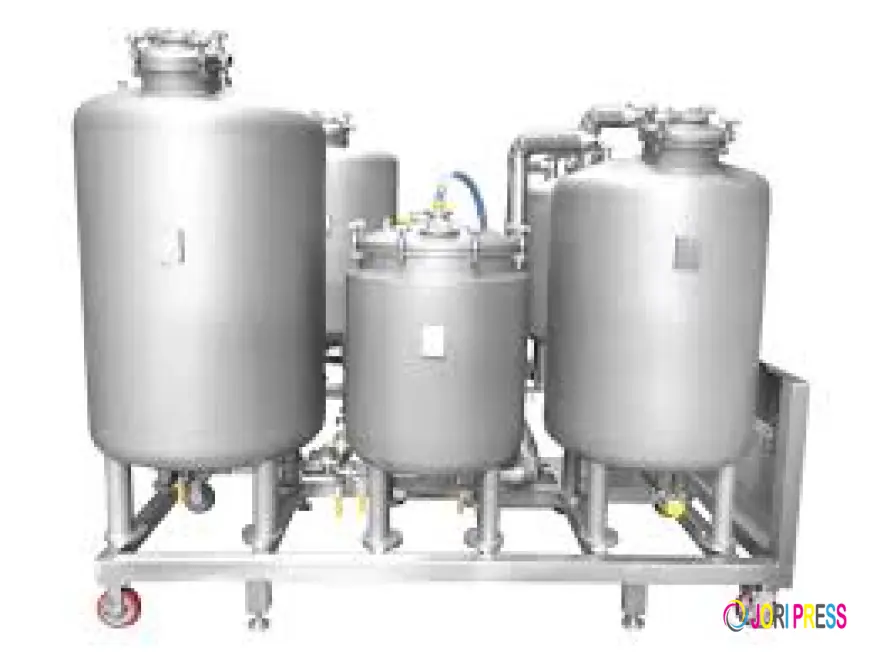
A Clean-in-Place system cleans the inside of tanks, pipes, pumps, and valves without taking anything apart. Cleaning solutions flow through the equipment in a set order. First comes rinsing. Then washing. After that, sanitizing. Everything stays sealed. Operators don’t climb inside tanks or handle messy tear-downs. The system handles it all, start to finish.
How the Cleaning Cycle Works
The process starts with a rinse to flush out leftover product. Next, detergents move through the system to break down buildup. Then a final rinse clears everything out. Sometimes, sanitizers finish the job. Temperature, time, and flow rate all play a role. A proper Clean-in-Place setup keeps each step locked in. As a result, cleaning stays consistent every single time.
Why Manual Cleaning Just Doesn’t Cut It
Manual cleaning takes forever. It’s also easy to mess up. Miss one corner and contamination sneaks in. Plus, breaking down equipment increases wear and tear. A Clean-in-Place system removes those risks. It reaches areas hands can’t. It also delivers the same results on every cycle. That kind of reliability makes life easier for everyone on the floor.
Less Downtime, More Production
Time spent cleaning is time not producing. Manual methods can take hours. Sometimes longer. Clean-in-Place cuts that downtime way down. Since equipment stays assembled, cleaning runs faster. Production restarts sooner. Over time, those saved hours really add up. More uptime means better output and fewer scheduling headaches.
Keeping Product Quality Consistent
Clean equipment equals consistent products. Leftover residue can change flavor, color, or performance. That’s a risk no brand wants. Clean-in-Place removes that concern. Each batch starts with clean surfaces. As a result, quality stays steady. Customers notice that consistency, even if they don’t say it out loud.
Meeting Hygiene Rules Without Stress
Hygiene rules are strict, and inspectors don’t play around. A Clean-in-Place system helps facilities stay compliant. Cleaning cycles can be documented and validated. That makes audits smoother. It also shows regulators that hygiene is taken seriously. Less stress. Fewer surprises.
Safer for the People Running It
Manual cleaning can be risky. Confined spaces, chemicals, and slippery surfaces are a bad mix. Clean-in-Place keeps operators out of harm’s way. Cleaning happens inside sealed equipment. That reduces exposure and lowers accident risks. Safer workers make for a stronger operation.
Saving Water and Chemicals
It may sound odd, but automated cleaning often uses less water and fewer chemicals. A Clean-in-Place setup controls everything precisely. Flow rates stay tight. Chemical dosing stays accurate. Nothing goes to waste. Over time, that efficiency cuts costs and supports sustainability goals. That’s a win all around.
Works Across Many Industries
Clean-in-Place isn’t limited to one industry. Food and beverage plants rely on it daily. Pharma uses it for sterile processing. Chemical facilities depend on it for consistency. One system can serve multiple processes. That flexibility makes it a smart long-term move.
Fits Right into Automation
Modern plants love automation, and Clean-in-Place fits right in. Systems connect with control panels and sensors easily. Cleaning cycles can run automatically. Data gets logged along the way. That improves repeatability and reduces human error. Everything stays under control.
Built for Growing Operations
As production grows, cleaning demands grow too. Manual methods struggle to keep up. A Clean-in-Place system scales without extra labor. It supports higher volumes without slowing things down. Over time, it pays for itself through efficiency and reliability.
Final Thoughts
Clean-in-Place isn’t just about cleaning. It’s about keeping production safe, steady, and efficient. By automating internal cleaning, it protects product quality and worker safety. It also cuts downtime and supports compliance. For hygienic processing, a Clean-in-Place system isn’t a luxury. It’s a must.
What's Your Reaction?
 Like
0
Like
0
 Dislike
0
Dislike
0
 Love
0
Love
0
 Funny
0
Funny
0
 Angry
0
Angry
0
 Sad
0
Sad
0
 Wow
0
Wow
0