






































Why Low Temperature Heat Pumps Are the Future of Winter Heating in North America
Think heat pumps can't handle the freezing cold? Think again. Discover how modern Low Temperature Heat Pumps maintain 100% efficiency even at -30°C and find out which models are best for your home this winter.

Introduction: The Myth of the "Frozen" Heat Pump
For decades, homeowners in northern regions—from the snowy peaks of Canada to the shivering Midwest—held a common belief: "Heat pumps don’t work in the cold." And for a long time, they were right. Traditional heat pump technology, designed primarily for mild climates, would struggle once the thermometer dipped below freezing, forcing homeowners to rely on expensive backup electric heaters or fossil fuel furnaces.
However, the narrative has changed dramatically in the last five years. Thanks to advancements in compressor technology and refrigerant cycles, modern heat pumps for cold climates are not just viable; they are becoming the preferred heating solution for energy-conscious homeowners.
If you are considering upgrading your heating system, understanding the difference between a standard unit and a specialized low-temperature system is crucial. This guide explores how these systems work, why they are essential for northern winters, and how to identify the best heat pumps for cold climates on the market today.
What Are Low Temperature Heat Pumps?
To understand why standard units fail in winter, we first need to look at how a heat pump works. Simply put, a heat pump moves heat rather than creating it. Even in cold air, there is thermal energy. A heat pump extracts this energy from the outside air and transfers it indoors.
The problem with older models was that as the outside temperature dropped, the system had to work harder to extract that heat, causing efficiency to plummet. Often, they would shut down entirely around -5°C (23°F).
Low temperature heat pumps, however, utilize advanced engineering to overcome this limitation. They typically feature:
-
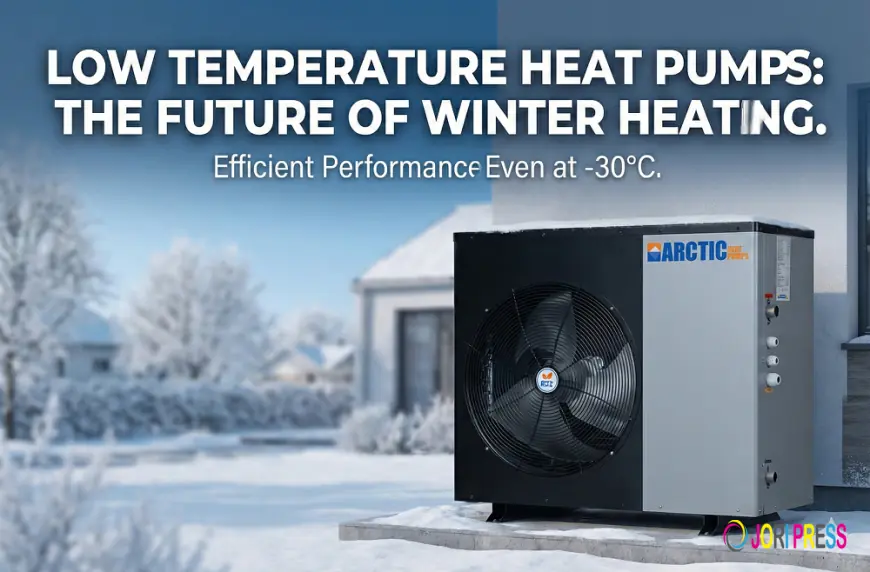
Enhanced Vapor Injection (EVI) Technology: This allows the compressor to inject more refrigerant vapor into the compression cycle, keeping the system running efficiently even when outside temperatures drop as low as -30°C (-22°F).
-
Variable Speed Inverter Compressors: Unlike single-stage compressors that are either "on" or "off," inverter compressors can adjust their speed to match the exact heating demand. This prevents the harsh start-stop cycles that waste energy and wear out components.
-
Intelligent Defrost Cycles: Frost buildup on the outdoor unit is the enemy of efficiency. Low-temperature models use smart sensors to initiate defrost cycles only when necessary, rather than on a fixed timer, ensuring maximum uptime.
By utilizing these technologies, low temperature heat pumps can maintain 100% of their heating capacity at temperatures where standard units would be virtually useless.
Why "Cold Climate" Certification Matters
When shopping for a new system, you will see many manufacturers claiming their units are "winter-ready." However, vague marketing terms don't keep your house warm. You need to look for specific performance metrics.
The best heat pumps for cold climates are often certified by organizations like NEEP (Northeast Energy Efficiency Partnerships) in North America. These units are tested to ensure they deliver a high Coefficient of Performance (COP) even in sub-zero conditions.
For example, a standard heat pump might have a COP of 1.0 at -15°C (meaning it is no more efficient than an electric space heater). In contrast, a high-quality cold climate heat pump might maintain a COP of 2.0 or higher at the same temperature. This means for every 1 unit of electricity you pay for, you get 2 units of heat—a 200% efficiency rating that gas furnaces (which top out at 98% efficiency) simply cannot match.
Key Features of the Best Heat Pumps For Cold Climates
If you are in the market for a system that can handle harsh winters, do not settle for a generic model. Here is a checklist of features that define the top-tier heat pumps for cold climates:
1. High Heating Capacity at Low Ambient Temperatures The most critical metric is the "low ambient heating capacity." Look for a unit that retains at least 80% of its rated heating capacity at -15°C (5°F). The very best models can maintain 100% capacity down to -15°C and continue operating efficiently down to -30°C.
2. Monobloc vs. Split Systems In the world of hydronic (air-to-water) heat pumps, you will often choose between monobloc and split systems. For many DIY enthusiasts and installers looking for simplicity, monobloc systems are gaining popularity. They house all components in the outdoor unit, meaning no refrigerant lines need to be run indoors—only water lines. However, in extreme cold, you must ensure these water lines are protected with glycol (antifreeze) or freeze-protection valves.
3. Smart Control Integration The best heat pumps for cold climates are not just strong; they are smart. Look for Wi-Fi-enabled controllers that allow you to monitor energy usage, adjust heating curves, and set schedules from your smartphone. This ensures you aren't heating an empty house and allows for remote diagnostics if something goes wrong.
4. Quiet Operation Since these units run for longer periods (often at lower speeds) to maintain a constant temperature, noise levels matter. Top-rated units feature insulated compressors and advanced fan blade designs to keep operation whisper-quiet, often lower than 50 decibels.
The Economic Case: ROI in the Snow Belt
The initial cost of low temperature heat pumps is generally higher than that of standard A/C units or basic furnaces. However, the Return on Investment (ROI) is compelling, especially when replacing propane, oil, or electric baseboard heating.
-
Fuel Savings: By leveraging the ambient heat in the air, homeowners can reduce their heating bills by 30% to 60%.
-
Rebates and Incentives: Governments across North America (such as the Canada Greener Homes Grant or the US Inflation Reduction Act) are offering massive rebates for installing high-efficiency heat pumps. These incentives can cover a significant portion of the upfront cost.
-
Dual Functionality: Don't forget that a heat pump is also an air conditioner. By installing one system, you solve both your winter heating and summer cooling needs, eliminating the maintenance costs of two separate systems.
Installation Best Practices for Cold Climates
Even the best heat pumps for cold climates will fail if installed incorrectly. Here are three golden rules for installation in snowy regions:
-
Elevation is Key: Never install the outdoor unit directly on the ground. It must be elevated on a stand (at least 12-18 inches) to ensure it remains above the average snow depth. If the unit gets buried in snow, airflow is blocked, and the system will suffocate.
-
Wind Protection: While airflow is good, harsh prevailing winds can disrupt the fan's operation. Installing the unit in a location protected from direct wind blasts—or using a wind baffle—can improve performance during blizzards.
-
Proper Sizing: The "bigger is better" rule does not apply here. An oversized unit will short-cycle (turn on and off too frequently), leading to wear and tear. An undersized unit will rely too heavily on backup electric heat strips. A professional "Manual J" load calculation is essential to find the sweet spot.
Conclusion: Embrace the Future of Heating
The days of relying on fossil fuels to survive the winter are numbered. With the advent of low temperature heat pumps, homeowners no longer have to choose between comfort, cost, and carbon footprint.
Whether you are retrofitting an old farmhouse or building a modern eco-home, the technology now exists to keep you warm even when the polar vortex hits. By choosing one of the best heat pumps for cold climates and ensuring a proper installation, you are investing in a system that offers resilience, efficiency, and significant long-term savings.
Don’t let the cold scare you away from electrification. The technology is ready—are you?
What's Your Reaction?
 Like
0
Like
0
 Dislike
0
Dislike
0
 Love
0
Love
0
 Funny
0
Funny
0
 Angry
0
Angry
0
 Sad
0
Sad
0
 Wow
0
Wow
0