


























From Planning to Analytics: Event Management Software Guide
Discover how event management software streamlines planning, registration, marketing, and analytics to deliver seamless end-to-end events.

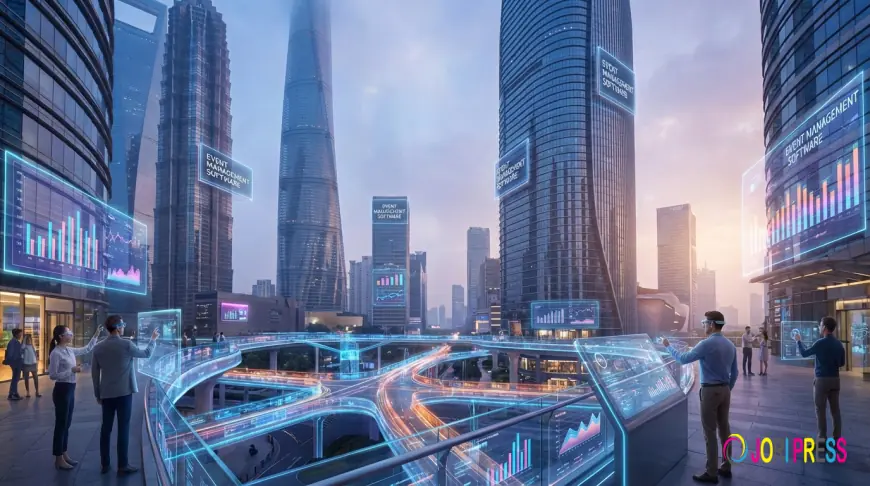
From Planning to Analytics: How Event Management Software Simplifies End-to-End Events
You know what's wild? The event management software market hit USD 15.5 billion in 2024, and it's racing toward USD 34.7 billion by 2029. That's not just growth—that's a full-blown revolution in how we plan, execute, and measure events.
Here's the thing: running an event used to mean drowning in spreadsheets, juggling multiple platforms, and crossing your fingers that nothing falls through the cracks. But modern event management software? It changes everything. From the moment you start planning to when you're analyzing what worked (and what didn't), these platforms handle the entire journey. Let's break down how.
Why Event Management Software Matters More Than Ever
Look, nobody misses the old way of doing things. Manual registration forms. Email chains that went nowhere. Attendance tracking with actual clipboards.
The shift to all-in-one platforms happened for a reason. According to MarketsandMarkets, rising demand for event automation and the need to capture actionable insights from events are driving this growth. Makes sense, right? Every hour you spend on tedious tasks is an hour you're not spending on what actually matters—creating memorable experiences.
Plus, post-COVID changed the game entirely. Virtual and hybrid events aren't just trends anymore. They're expectations. And trying to manage them without proper software? Good luck with that.
Planning That Actually Works
Event planning is where most people either nail it or watch everything unravel later. The planning phase sets the tone for everything else.
Modern event management software turns chaos into structure. You get venue management tools that let you visualize floor plans, assign spaces, and track capacity in real-time. Resource scheduling becomes simple—no more double-booking speakers or wondering if you ordered enough chairs.
But here's what really matters: everything lives in one place. Your timeline, your budget, your vendor contacts, your task assignments. No more hunting through emails from three months ago to find that catering quote. The event planning segment alone is projected to grow from USD 1,437.9 million in 2024 to USD 2,720.0 million by 2030. People are investing because it works.
Cloud-Based Makes All the Difference
Quick note on deployment: cloud-based solutions win here. They offer mobility (check your event status from anywhere), easy scaling (add users as your team grows), and lower total cost of ownership. Technavio points to this low TCO as a major driver for adoption.
On-premises might feel more secure to some folks, but you're sacrificing flexibility. And in event management, flexibility is everything.
Registration and Ticketing Without the Headaches
Ever tried managing event registration through basic forms and manual spreadsheets? It's a nightmare.
Event management software automates the entire registration flow. Attendees register online, choose ticket types, make payments—all without you lifting a finger. The system sends confirmation emails, tracks attendance limits, and even handles waitlists automatically.
Payment processing happens securely within the platform. No sketchy third-party integrations that might break. No manual reconciliation of who paid and who didn't. It just works.
And honestly? The time savings alone justify the investment. What used to take hours now takes minutes.
Marketing Your Event Actually Gets Results
Building buzz for your event shouldn't require a marketing degree. But it kind of used to.
Modern platforms include marketing modules that connect directly to social media. You can create campaigns, schedule posts, and track engagement—all from the same dashboard you're using to manage everything else. Growing use of social media platforms for event marketing is one of those things that seems obvious in hindsight but took software providers a while to nail down.
Email campaigns? Built in. Landing pages? Customizable templates ready to go. Promotional codes and early-bird discounts? Set them up once, let the system handle the rest.
The best part is watching registrations climb in real-time as your marketing efforts pay off. That direct feedback loop keeps you motivated and helps you adjust strategies on the fly.
Content Management That Keeps Everyone Aligned
Here's something people don't talk about enough: content management during events.
You've got session descriptions, speaker bios, presentation files, handouts, video recordings. Where does it all go? In fragmented systems, it's scattered across email attachments, shared drives, and someone's laptop.
Event management software centralizes everything. Upload materials once, make them accessible to the right people (speakers, attendees, sponsors), and update content without sending "sorry, here's the corrected version" emails for the third time.
For virtual and hybrid events especially, this becomes crucial. Your platform becomes the single source of truth for all event content.
Running the Event: Where Everything Comes Together
Event day. This is where all your planning either proves itself or falls apart.
Onsite technology within event management software handles check-ins through mobile apps or kiosks. Scan QR codes, print badges instantly, and update attendance records in real-time. No more lines of frustrated attendees waiting while someone manually searches for their name on a printed list.
Visitor management tools track who's where, which sessions are at capacity, and whether your VIPs have arrived yet. If something goes wrong—a speaker runs late, a room change happens—you can communicate instantly through the platform's messaging features.
For hybrid events, the software bridges physical and virtual attendees seamlessly. Live streaming, Q&A management, virtual networking rooms—all integrated instead of cobbled together from separate tools.
Analytics: The Part Most People Ignore (But Shouldn't)
Alright, real talk. Analytics is where you actually learn whether your event succeeded.
Most event planners skip this part. They're exhausted after the event wraps and just want to move on. But that's leaving serious value on the table.
Event management software automatically collects data throughout the entire lifecycle. Registration metrics show you where attendees dropped off. Session attendance reveals which topics resonated. Engagement scores tell you who actively participated versus who just showed up.
Post-event surveys integrate directly into the platform. You can send them automatically, track response rates, and analyze feedback without exporting to separate survey tools.
The demand to capture actionable insights from events isn't just industry hype. It's what separates good event managers from great ones. You learn what worked, what flopped, and what to change next time.
Turning Data Into Better Events
Numbers mean nothing without context. The analytics dashboard should answer questions like: Which marketing channels brought the most attendees? What was our actual ROI? Did sponsors get the visibility they paid for?
Compare events over time. Track improvement. Build a case for bigger budgets based on proven results, not just promises.
All-in-One Platforms vs. Fragmented Tools
So here's a decision you'll face: comprehensive platform or individual tools for each function?
The market's speaking clearly. All-in-one event management platforms are expected to hold the largest market size. And there's your answer.
Fragmented tools mean more subscriptions, more training, more integration headaches. When your registration platform doesn't talk to your analytics tool, you're manually exporting CSVs and merging data. That's both time-consuming and error-prone.
Integrated platforms cost more upfront sometimes, sure. But you save on the backend through efficiency gains and reduced technical debt. One login, one support team, one source of truth for everything.
What to Look for When Choosing Software
Not all event management software is created equal. Some critical features you absolutely need:
-
Cloud-based deployment for flexibility and scalability
-
Comprehensive registration and ticketing with payment processing
-
Marketing tools that integrate with major social platforms
-
Mobile apps for both organizers and attendees
-
Robust analytics with customizable reporting
-
Virtual and hybrid event capabilities (not just an afterthought)
-
Reliable customer support because things will go wrong
Test the interface before committing. If it takes your team weeks to figure out basic functions, that's a red flag. The best platforms balance powerful features with intuitive design.
The Future Is Already Here
Where's all this heading? The market is projected to reach USD 36.42 billion by 2035. That's not slowing down anytime soon.
Expect more AI integration for personalized attendee experiences. Better predictive analytics that help you forecast attendance and engagement. Deeper integration with CRM systems so your event data flows directly into your broader business intelligence.
Virtual reality and augmented reality will move from experimental to expected for certain event types. Sustainability tracking will become standard as organizations measure and reduce their event carbon footprints.
But the core value proposition stays the same: simplifying the complex journey from initial planning through final analytics. Making that process smoother, faster, and smarter.
Making the Switch to Integrated Software
If you're still managing events with disconnected tools (or worse, mostly manual processes), the transition might feel daunting. It's not as bad as you think.
Start with one event. Use it as a pilot to learn the platform, identify pain points, and build confidence. Document what works and what doesn't. Train your team incrementally rather than trying to master everything at once.
Most platforms offer migration support and onboarding. Use it. The initial learning curve pays off quickly once you're running events efficiently.
Common mistake? Trying to replicate your old processes exactly in the new system. Don't do that. Let the software's built-in best practices guide you. They've been refined through thousands of events across multiple industries.
Bottom Line
Event management software isn't just about making your job easier (though it absolutely does that). It's about transforming scattered, stressful processes into a coordinated system that works.
From that first planning meeting to analyzing post-event surveys, integrated platforms handle the full lifecycle. You get better data, happier attendees, less stress, and measurably better outcomes. The market growth projections don't lie—organizations are investing because the ROI is clear.
Whether you're running corporate conferences, educational seminars, or hybrid experiences that span continents, the right event management software simplifies everything. Platforms like Samaaro connect the dots between planning and execution, between effort and results, between what you hoped would happen and what actually did.
That's the real value. Not just better tools, but better events. And isn't that the whole point?
What's Your Reaction?
 Like
0
Like
0
 Dislike
0
Dislike
0
 Love
0
Love
0
 Funny
0
Funny
0
 Angry
0
Angry
0
 Sad
0
Sad
0
 Wow
0
Wow
0