




































Creating Traditional Designs with Lippan Art Mirrors and Clay
Create beautiful traditional patterns using Lippan art mirrors and clay. Learn how this folk art adds texture, shine, and cultural charm to handmade wall designs and home décor.
There’s something magical about traditional Indian art forms. They feel alive. They carry stories. And even when recreated today with modern materials, they still hold the same warmth and character. Lippan Art—born in the mud homes of Kutch—is one of those rare crafts that blends simplicity with beauty. With just clay, mirrors, and your imagination, you can create designs that feel rooted in tradition yet perfectly suited for today’s homes.
If you love the elegance of handmade décor, or you’re a hobby artist looking to explore cultural art forms, Lippan is the perfect craft. And the best part? You don’t need advanced tools or professional training. All you need are good-quality Lippan art mirrors, the right clay used for Lippan art, and a board to work on.
This guide walks you through how to create traditional designs using clay and mirrors, along with tips to help your artwork look authentic, neat, and deeply connected to its origins.
Why Lippan Art Captures the Essence of Traditional Indian Design
Lippan Art began in the dry landscapes of Gujarat, where artisans decorated their mud walls using simple materials from their surroundings. Mirrors were added not just for beauty but to reflect sunlight and brighten their homes. Clay motifs represented nature—flowers, peacocks, geometric patterns, and spiritual symbols.
Even today, when you recreate Lippan Art, you feel that connection to nature and culture. That’s what makes this craft so special. It’s not just an art form—it’s a storytelling medium.
Traditional designs carry:
-
symmetry
-
balance
-
earthy textures
-
reflective beauty
-
cultural motifs
With modern materials like MDF and air-dry clay, anyone can enjoy this ancient craft in an easy, beginner-friendly way.
Choosing the Right Clay Used for Lippan Art
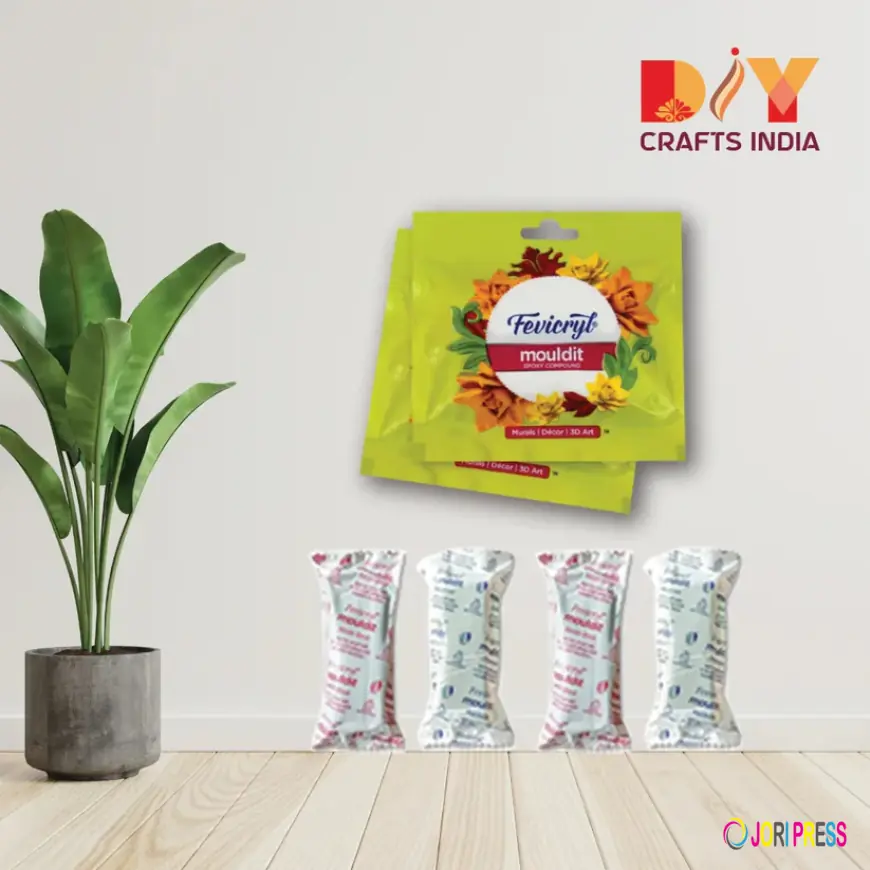
Clay is the backbone of Lippan Art. Traditionally, artisans used a mixture of mud and dung. Modern artists, however, use air-dry clay or Mouldit clay to achieve clean, durable motifs.
When selecting your clay, keep these points in mind:
-
It should be soft and easy to roll
-
It must stick well to MDF boards
-
It should dry without cracks
-
It should allow detailed shaping
Air-dry clay and Mouldit clay check all these boxes. They offer a smooth finish while still retaining the traditional look of hand-molded patterns.
Why Mirrors Matter in Traditional Lippan Art
Mirrors are not just decorative—they are symbolic. In Kutch homes, mirrors were believed to reflect positive energy and bring brightness inside. When paired with clay, they transform a simple design into a sparkling piece of art.
Good-quality Lippan art mirrors enhance:
-
symmetry
-
shine
-
elegance
-
depth
-
visual balance
Round mirrors work beautifully for mandalas, while diamonds create clean geometric borders. Teardrop and lotus mirrors highlight floral themes. Choosing the right shape sets the mood for your artwork.
Popular Traditional Designs You Can Create
Traditional Lippan designs follow patterns found in nature, spirituality, and daily life. Beginners often start with simple shapes, and over time, move on to more detailed motifs.
Some timeless patterns you can try include:
Floral Petal Arrangements
Clay petals with teardrop or round mirrors create soft, graceful designs perfect for living rooms or pooja spaces.
Peacock Motifs
Symbolizing grace and beauty, peacock-inspired artwork uses curved clay lines and small mirrors to highlight feathers.
Geometric Borders
Square and diamond mirrors form repetitive patterns that look both traditional and contemporary.
Mandala Designs
Circular symmetry with clay and mirrors creates a calming, spiritual wall piece.
Jharokha Style Frames
Inspired by Rajasthani architecture, this combines ethnic borders with mirror highlights.
Each design carries its own cultural essence, making your artwork feel meaningful and timeless.
Preparing Your Base for Traditional Lippan Art
Before working with clay and mirrors, your board must be ready. A strong foundation ensures your artwork remains intact for years.
Prepare your MDF board with:
-
A smooth coat of white acrylic or gesso
-
Light sanding for even texture
-
Clean edges for a polished finish
A clean white base helps mirrors shine brighter and clay motifs stand out.
How to Create Clay Motifs for Traditional Patterns
Clay work is the heart of Lippan Art. The process is simple but soothing once you get into the rhythm.
Rolling Clay Ropes
Take a small amount of clay and roll it between your palms to form thin ropes. Consistency is key. Ropes should be neither too thick nor too thin.
Shaping Petals, Leaves, and Geometric Lines
Use your fingers or basic clay tools to shape the clay. Traditional designs rely on smooth curves and clean edges.
Placing Clay on the Board
Apply a thin layer of glue on your design outline and gently place the clay ropes. Press lightly to secure them.
Clay motifs should feel natural—handmade but balanced.
Placing Mirrors for Traditional Aesthetics
Mirrors bring sparkle to traditional designs. But using them thoughtfully makes a huge difference in the final look.
For floral designs:
-
Round or teardrop mirrors create intricate centers and outward symmetry.
For mandalas:
-
Medium round mirrors add structure; smaller ones enhance outer circles.
For borders:
-
Diamond-shaped mirrors create sharp, neat frames.
For peacock feathers:
-
Small round mirrors add delicate detailing.
Mirrors should complement your clay work—not overpower it.
Step-by-Step Guide to Creating a Traditional Lippan Artwork
If you’re new to this craft, here’s a simple process to get started:
1. Sketch Your Design
Lightly draw guidelines on your MDF board. This helps with spacing and symmetry.
2. Prepare the Clay
Knead it well so it becomes soft and easy to shape.
3. Roll and Shape Motifs
Create ropes, petals, or geometric lines based on your chosen design.
4. Place Clay on the Board
Apply glue and follow your sketch.
5. Add Mirrors
Use tiny drops of glue and gently press the mirrors inside the clay borders.
6. Let the Artwork Dry
Give it 12–24 hours. Patience ensures long-lasting results.
7. Add Finishing Touches
You may leave the clay natural or add subtle metallic highlights.
With these steps, even a beginner can create a piece that feels deeply traditional and beautifully handmade.
Tips to Maintain Traditional Authenticity
A few small choices can make your artwork feel more culturally rooted:
-
Use earthy tones or leave the clay natural
-
Choose classic mirror shapes like round or square
-
Focus on symmetry—it defines traditional Lippan
-
Incorporate motifs like lotuses, leaves, and sunbursts
These elements keep the artwork true to its origins.
Why Traditional Designs Still Appeal Today
Even though we use MDF and modern clay now, the spirit of Lippan Art remains timeless. Traditional designs blend beautifully with:
-
ethnic interiors
-
minimalist homes
-
boho décor
-
spiritual corners
-
entryway accent walls
They add calmness, heritage, and handmade charm to any space.
For hobby artists and tradition lovers, Lippan Art becomes more than a craft—it becomes a connection to culture.
Conclusion
Creating traditional designs with Lippan art mirrors and clay is not just a craft project—it’s a beautiful experience. The textures, the shine, the slow shaping of clay, and the final sparkle all come together to tell a story rooted in India’s heritage. Whether you’re a beginner or a seasoned hobby artist, all you need is the right clay used for Lippan art, good-quality mirrors, and a board that inspires you.
Traditional motifs are simple to learn, soothing to make, and stunning to display. And each piece you create carries a bit of history—from the mud homes of Kutch to the decorated walls of your own home.
Start with a small design. Feel the clay in your hands. Place each mirror with intention.
Before you know it, you’ll have created something timeless.
FAQs
1. What type of clay is best for traditional Lippan designs?
Air-dry clay or Mouldit clay works best because it sticks well and dries without cracks.
2. Which mirror shapes are ideal for classic Lippan artwork?
Round, diamond, and teardrop mirrors are most commonly used in traditional patterns.
3. Do traditional designs require advanced clay skills?
Not at all. Even beginners can create beautiful motifs with practice.
4. Can I mix modern patterns with traditional motifs?
Yes, Lippan Art is versatile—mixing styles often creates stunning results.
5. How long does a traditional Lippan piece take to complete?
Small designs take 2–3 hours. Larger pieces may take a full day including drying time.
What's Your Reaction?
 Like
0
Like
0
 Dislike
0
Dislike
0
 Love
0
Love
0
 Funny
0
Funny
0
 Angry
0
Angry
0
 Sad
0
Sad
0
 Wow
0
Wow
0