































Real Estate Tokenization: Why Traditional Investors Are Move to Digital Assets
Discover how real estate tokenization is reshaping property investment by combining physical assets with digital technology. This blog explains how tokenized real estate improves access, efficiency, and diversification while creating new opportunities for traditional investors in a modern financial landscape.

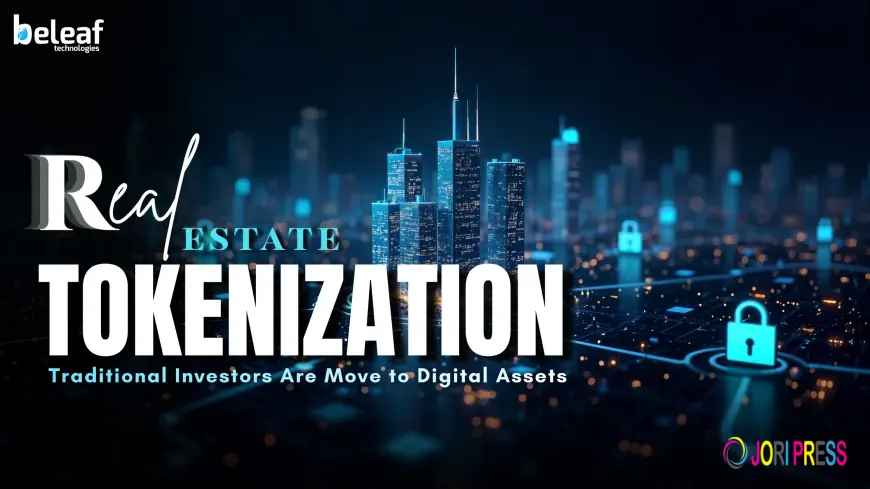
Table of Contents
Introduction: A Shift in the Way We Invest
What Is Real Estate Tokenization?
How Real Estate Tokenization Works
Why Traditional Investors Are Embracing Digital Assets
Key Benefits of Tokenizing Real Estate
Real Estate Tokenization Development: The Technology Behind It
Risks and Considerations to Keep in Mind
The Future of Digital Asset Tokenization in Real Estate
Conclusion: Is Real Estate Tokenization Right for You
Introduction: A Shift in the Way We Invest
Real estate has always been viewed as a cornerstone of wealth creation. From residential properties to large commercial developments, it has offered investors long-term stability and tangible value. However, traditional real estate investing has also been associated with high capital requirements, complex legal processes, and limited flexibility. These challenges have prevented many individuals from participating in property investment, despite a strong interest.
As technology continues to reshape finance, investors are increasingly looking for smarter, more efficient ways to access established asset classes. Digital innovation is not replacing real estate but redefining how ownership, transactions, and participation work. This shift marks an important moment in the evolution of property investment, where long-standing structures meet modern digital systems designed for accessibility and transparency.
What Is Real Estate Tokenization?
Real estate tokenization is the process of representing ownership of a physical property through digital units. Each unit corresponds to a fractional share of the property, allowing multiple investors to hold ownership simultaneously. This structure makes it possible to invest in property without purchasing the entire asset.
The underlying real estate remains unchanged. What changes is how ownership is recorded and transferred. By dividing property into smaller, digital shares, investors gain flexibility while still benefiting from rental income and potential appreciation. This approach modernizes ownership without altering the fundamental value of real estate.
How Real Estate Tokenization Works
The process typically begins with identifying a suitable property and ensuring it meets legal and regulatory requirements. Once the asset is prepared, ownership is divided into digital units that represent proportional rights. These units are then offered to investors through compliant platforms.
Investors purchase units and receive returns based on their share of ownership. Income distribution and ownership tracking are handled digitally, reducing manual processes. This system improves efficiency while maintaining transparency, making it easier for investors to monitor performance and manage their holdings.
Why Traditional Investors Are Embracing Digital Assets
Traditional investors tend to be cautious, yet many are now exploring digital assets because of the practical advantages they offer. One key reason is diversification. Instead of committing a large amount of capital to a single property, investors can spread their investment across multiple assets.
Liquidity is another important factor. Traditional property sales can be slow and unpredictable, while digital ownership models allow for quicker transfers. Transparency also plays a role, as digital records reduce disputes and improve trust. These benefits align well with the goals of experienced investors seeking efficiency.
Key Benefits of Tokenizing Real Estate
Tokenized real estate introduces several benefits that enhance the investment experience.
-
Lower entry barriers allow more people to participate
-
Fractional ownership supports better portfolio diversification
-
Faster transactions reduce delays and administrative costs
-
Digital records improve transparency and accountability
-
Global accessibility expands investment opportunities
These advantages help modernize real estate investing while preserving its core strengths as a long-term asset class.
Real Estate Tokenization Development: The Technology Behind It
Modern real estate tokenization is powered by advanced digital systems that bring efficiency and reliability to property investment. Secure digital frameworks maintain precise ownership records, while intelligent automation handles transactions, income allocation, and compliance processes. This reduces manual involvement and helps streamline operations across the investment lifecycle.
For investors, this translates into a more transparent and dependable experience. The technology is built to support long-term growth, offering high levels of security and the ability to scale as demand increases. As these platforms continue to evolve, they are becoming increasingly intuitive, allowing investors of all experience levels to participate with confidence and ease.
Risks and Considerations to Keep in Mind
Like any evolving investment model, tokenized real estate operates within regulatory frameworks that continue to develop across regions. This ongoing progress is a positive sign, as clearer guidelines are helping create stronger investor protection and greater market confidence over time. Staying informed about local regulations allows investors to participate responsibly and with clarity.
Market activity plays an important role in liquidity, and as adoption grows, trading environments are becoming more active and accessible. Property values continue to reflect real-world fundamentals such as location, demand, and economic trends, which reinforces the stability of real estate as an asset class. With thoughtful research and informed decision-making, investors can approach tokenized real estate with confidence and long-term optimism.
The Future of Digital Asset Tokenization in Real Estate
The future of tokenized real estate appears promising as financial systems become more digital. Increased regulatory clarity and technological maturity are likely to encourage wider adoption. Institutional interest may further strengthen trust and market stability.
As awareness grows, digital property ownership could become a standard option rather th an alternative. This evolution has the potential to reshape how real estate wealth is accessed and managed globally.
Conclusion: Is Real Estate Tokenization Right for You
Real estate investment is entering a new phase where technology enhances accessibility without compromising value. Tokenized property models offer a more flexible and transparent way to participate in an asset class that has stood the test of time. For investors willing to learn and adapt, this approach provides meaningful opportunities while maintaining familiar fundamentals.
Success in this space depends on understanding the structure, risks, and long-term potential of digital ownership. Partnering with a trusted Token Of Real Estate Service can help investors navigate this evolving landscape with greater confidence and informed decision-making.
What's Your Reaction?
 Like
0
Like
0
 Dislike
0
Dislike
0
 Love
0
Love
0
 Funny
0
Funny
0
 Angry
0
Angry
0
 Sad
0
Sad
0
 Wow
0
Wow
0