




































Primary Writing Techniques to Build Strong Writing Skills Early

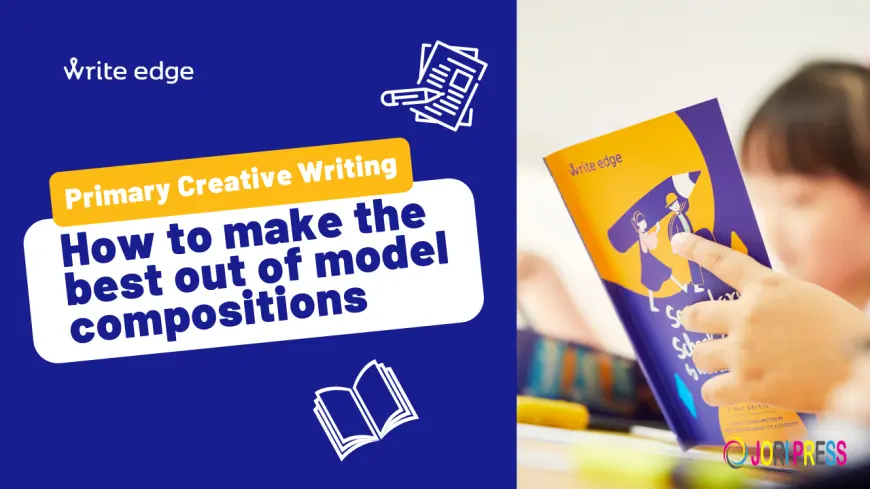
Primary writing techniques play a vital role in helping children become confident and effective writers. Writing is an essential skill that supports learning in all subjects, not just English. When students learn proper writing techniques at a young age, they find it easier to express ideas, organise thoughts, and communicate clearly. Strong writing skills also boost confidence and academic performance.
Understanding Primary Writing Techniques
Primary writing techniques are simple strategies that help children write clearly and creatively. These techniques include sentence building, paragraph organisation, vocabulary usage, and basic planning skills. At the primary level, the focus is on developing clarity, structure, and confidence rather than perfection.
By learning these techniques early, students build a strong foundation that supports more advanced writing in later years.
Sentence Construction Skills
One of the first writing techniques children learn is sentence construction. Students are taught how to form complete sentences with a subject and a verb. They also learn how to avoid common mistakes such as sentence fragments and repetition.
Clear sentence writing helps children communicate ideas effectively. As students become comfortable writing sentences, they gain confidence and move on to more complex writing tasks.
Paragraph Organisation
Paragraph writing is an important primary writing technique. Children learn how to group related ideas together and present them in a logical order. A basic paragraph includes a main idea and supporting details.
Understanding paragraph structure helps students write compositions that are easy to read and understand. This skill is especially important for school assessments and exams.
Planning Before Writing
Planning is a key writing technique that many young learners overlook. Teaching children to plan before writing helps them organise thoughts and stay focused on the topic.
Simple planning methods such as mind maps, story maps, or bullet points allow students to structure their ideas clearly. When students know what to write, they feel more confident and less stressed.
Vocabulary Development
A strong vocabulary allows students to express ideas clearly and creatively. Primary writing techniques encourage children to learn new words through reading, discussion, and writing practice.
Learning vocabulary in context helps children understand word meanings and use them correctly. With better vocabulary, students can write more engaging stories and compositions.
Use of Descriptive Language
Descriptive writing helps make compositions more interesting. Children are taught to use adjectives, action verbs, and simple sensory details to bring their writing to life.
This technique improves creativity and encourages students to think deeply about what they are writing. Descriptive language also helps students score better in composition writing.
Improving Grammar and Punctuation
Basic grammar and punctuation are essential primary writing techniques. Students learn how to use capital letters, full stops, commas, and question marks correctly.
Proper grammar helps students write clearly and avoid confusion. When children understand grammar rules, they feel more confident in their writing abilities.
Editing and Revising Skills
Editing is an important part of the writing process. Primary writing techniques teach children to review their work for spelling, grammar, and clarity.
Learning to edit helps students understand that writing can always be improved. This builds resilience and encourages a positive learning mindset.
Encouraging Regular Writing Practice
Regular practice is key to improving writing skills. Short writing exercises, journals, and creative tasks help children become comfortable with writing.
As students practise regularly, they see improvement in their work. This progress builds confidence and motivates them to keep learning.
Building Confidence Through Writing
When children understand writing techniques, they feel more confident expressing ideas. Confidence in writing leads to better classroom participation and improved academic performance.
Positive feedback and encouragement further support confidence growth. Children who feel confident in writing are more willing to take creative risks and enjoy learning.
Conclusion
Primary writing techniques are essential for developing strong writing skills at an early age. By focusing on sentence structure, planning, vocabulary, grammar, and regular practice, children become confident and capable writers.
With the right guidance and support, primary students can develop a love for writing that supports lifelong learning and academic success.
What's Your Reaction?
 Like
0
Like
0
 Dislike
0
Dislike
0
 Love
0
Love
0
 Funny
0
Funny
0
 Angry
0
Angry
0
 Sad
0
Sad
0
 Wow
0
Wow
0